






















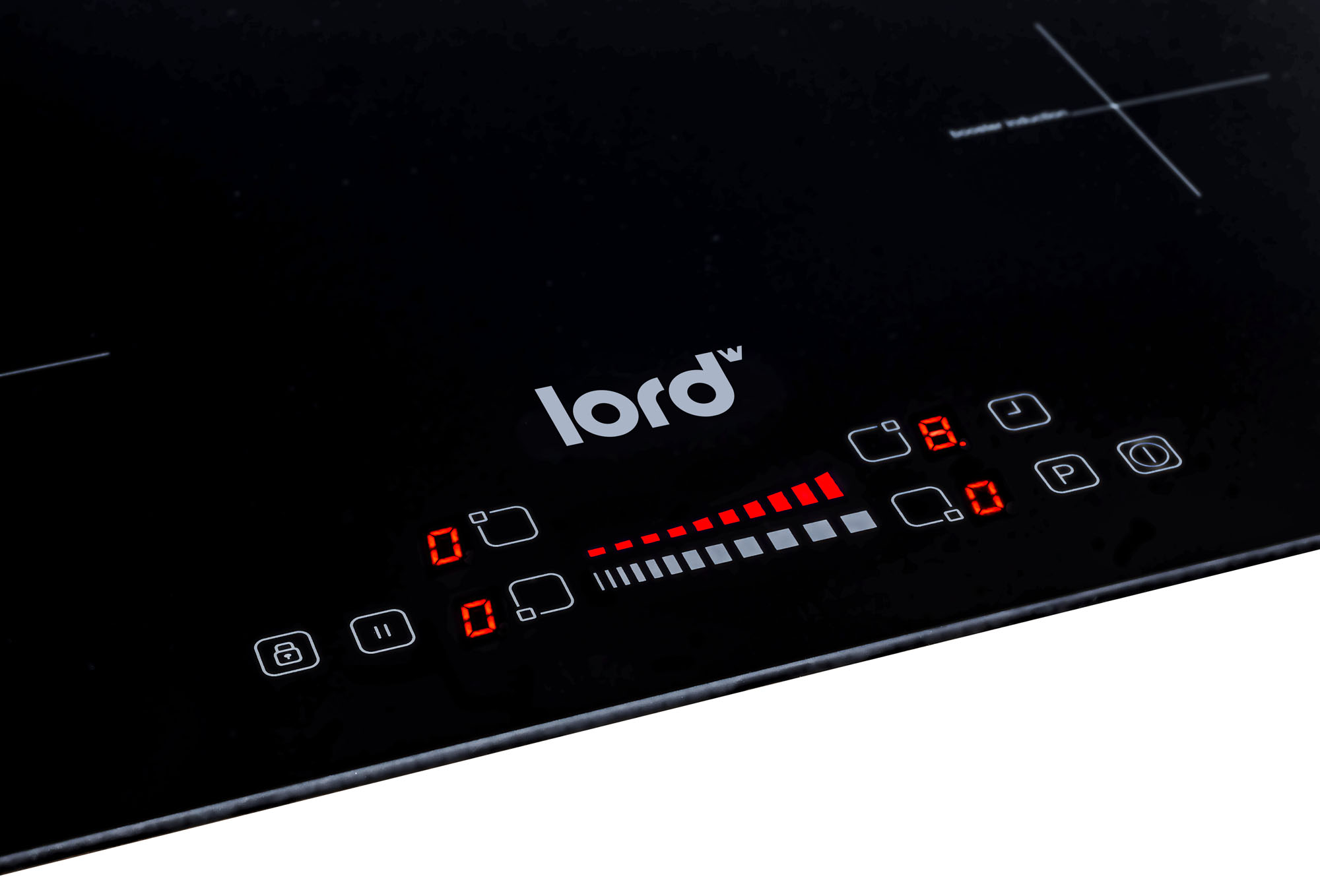
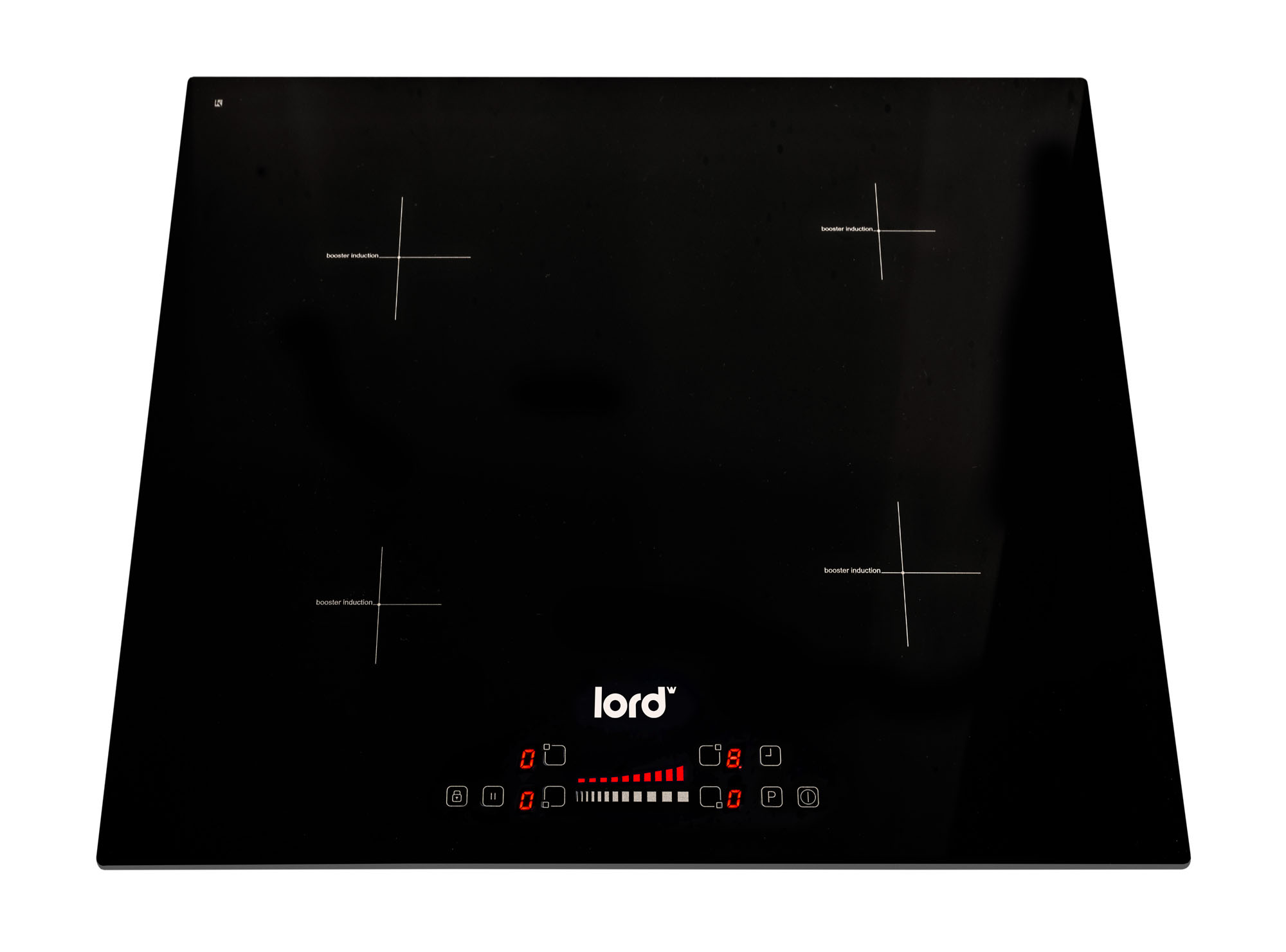
LORD H3 2.GN
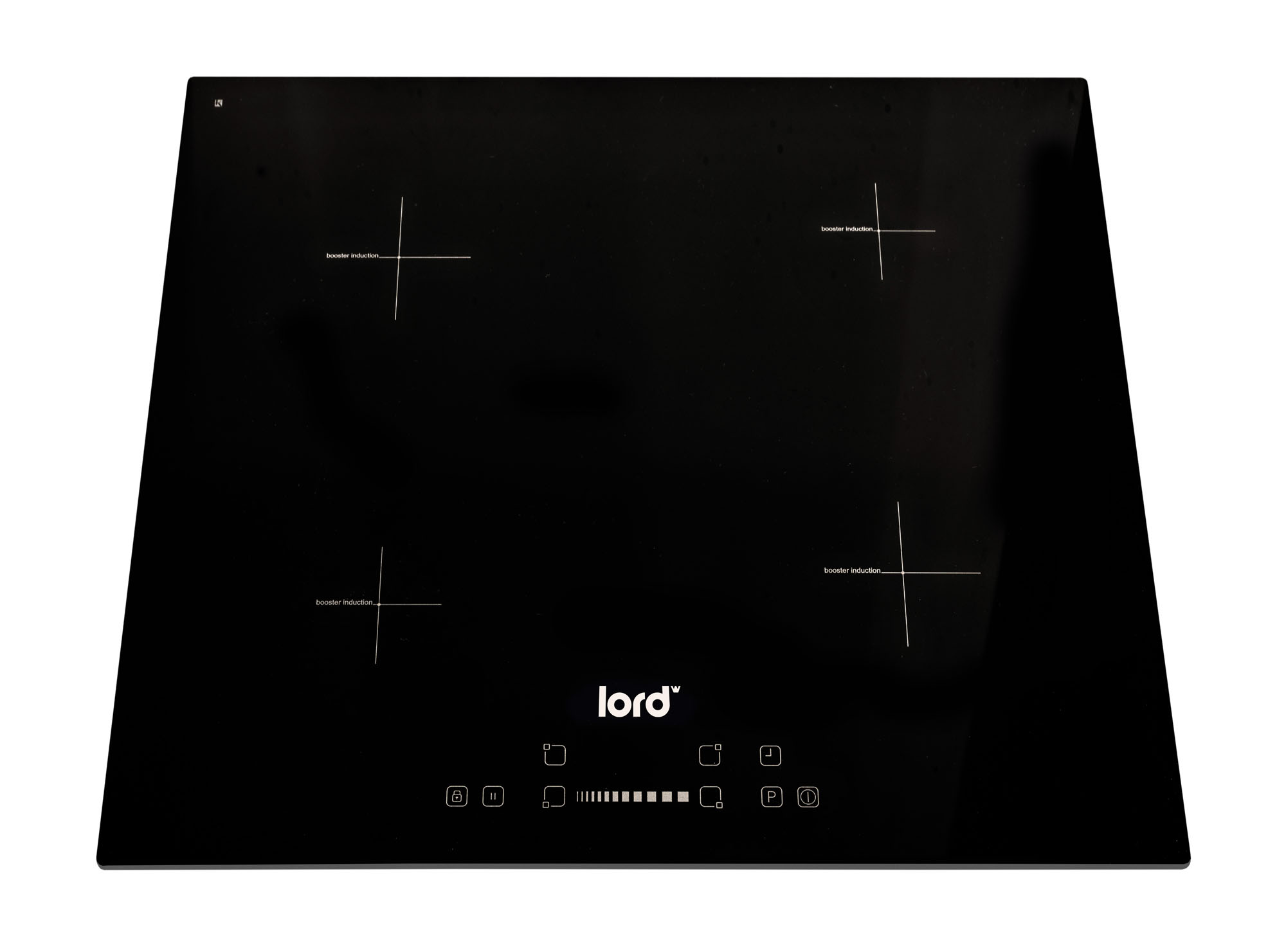
Induction hob, Total power 7400 W, Booster function, Smart pause function, Child lock function, Power management function, 400 V / 2L (2 phases), 240 V / 1L (1 phase)


LORD H3 induction hob
The LORD H3 built-in induction hob with automatic functions will also look great in your kitchen.
Performance of the LORD H3 hob
The powerful H3 cooking zones have a combined output of 7,400 W. For each of these zones, the Booster feature can be used to temporarily increase the power and thus speed up cooking. Ideal for bringing to the boil quickly.
Power input of each cooking zone:
- front left: ᴓ 160 mm: 1400/1800 W
- rear left: ᴓ 210 mm: 2100/2,500 W
- front right: ᴓ 210 mm: 2100/2,500 W
- rear right: ᴓ 160 mm: 1400/1800 W
Features to make life easier
Every appliance in the kitchen should make life easier for the user. This is no different for the LORD H3 hob.
One way the hob does this is the option of using four timers, one for each cooking zone. Another important time-related feature is the minute timer, which is essential when cooking.
Another handy helper is the smart pause feature. When activated, the power of all zones is reduced to the lowest level. If the pause is not turned off within 30 minutes, the appliance will automatically switch off. So if you need to leave the hob urgently, you'll appreciate this feature.
Power management feature
Thanks to the power management feature, you can set the hob’s maximum consumption, if necessary, and this limit will never be exceeded.
If the total consumption exceeds the set limit, the power management feature automatically reduces the limit for the zone selected last. The display will then flash and an audible signal will sound.
Safety features
LORD cares deeply about the safety of its customers. It goes without saying that the LORD H3 hob is equipped with a number of safety features.
- Faulty voltage and frequency detection
- Detection of the presence of cooking equipment
- Detection of suitability of cooking vessels
- Critical temperature exceedance detection
- Forgotten shutdown detection
- Residual cooking point temperature detection
- "Child lock" – Locking of control functions
- Button lock
- Insufficient ventilation detection